
How Do You Specify a Waterjet for a Small Craft?
Start with the actual hull, proposed installation and complete equipment list when turning a small-craft demonstration into a configuration enquiry.
Watch the small-craft application example
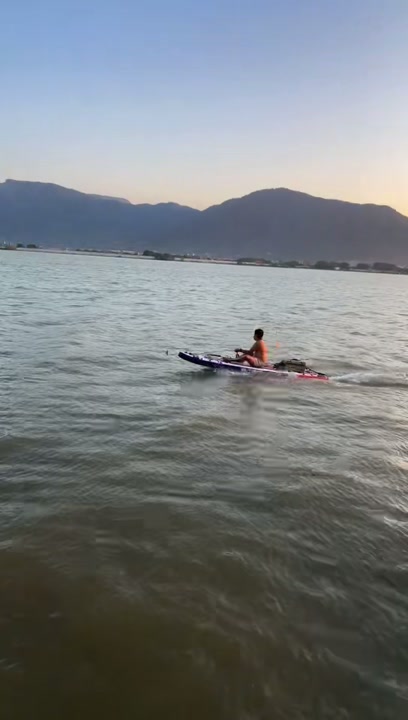
A seated rider crosses open water. Use the scene as an application reference while defining your own hull, installation and equipment requirements.
What to look for
- A seated rider travels across open water in a small craft.
- The clip presents one on-water application example.
- The exact craft category and installed component list are not confirmed by the available description.
Supplier demonstration footage. The clip does not establish a specific craft classification, universal fit or measured performance for your project.
0:26 · Supplier demonstrationA seated rider crosses open water in this supplier demonstration. The precise craft category and installed components remain unconfirmed. Use the scene to describe your project rather than identify a ready-made package.
An enquiry needs your actual hull, mounting space, power supply and control requirements. Those details support a discussion of the complete installation.
In this guide
How should you identify the actual craft?
Provide the craft make and model, if available, together with overall photographs and close-ups of the intended installation area. Describe its construction and any existing fittings. If there is no model reference, dimensions and clear photographs become especially useful for the first discussion.
Keep the identification of your craft separate from the demonstration. The exact craft type in the clip has not been confirmed, so its shape should not be used to assign a hull category or promise a matching installation.
What needs review around the mounting location?
Ask for a dimensioned drawing of the proposed propulsion unit and attachment. Compare it with measurements of your actual mounting area, including nearby fittings and the planned route for cables. A bracket shown in another project is an example, rather than confirmation that the same attachment suits your hull.
Include proposed positions for the equipment enclosure and controls. Request a layout that identifies attachment points, access to components and any details still awaiting confirmation. Resolve those questions for the selected craft before treating a quotation as a complete installation proposal.
Which power and control components belong together?
Ask for the exact propulsion, motor-control and steering configuration in the proposal. Identify the handheld or installed controls, receiver, cables and connections, where applicable. Request a description of how the quoted components connect and which functions they provide.
If you already have a battery or controls, send their product references and specifications for review. Keep those items identified as customer supplied until compatibility with the proposed combination is confirmed. Do not infer battery inclusion, control features or a standard connection from this on-water scene.
What should an itemized package comparison include?
Use the same categories when comparing quotations. Identify the equipment and supply responsibility so apparently similar packages can be compared.
| Item to identify | What the quotation should clarify |
|---|---|
| Propulsion unit and motor | Model references and the selected configuration. |
| Mounting parts | Attachment details and any craft-specific work to confirm. |
| Controls and steering hardware | Component references, connections and requested functions. |
| Power equipment | Required specifications and included or customer-supplied items. |
| Cables, connectors and enclosure | Selected versions and the proposed installation layout. |
| Documents and replacement parts | Available information and references for later enquiries. |
What evidence should support a performance requirement?
The rider's movement does not establish measured speed, load limit, operating time or results for another craft. Define performance requirements in your project brief rather than estimating them from the clip.
Request evidence for an identified configuration, with the craft, power supply, load and conditions stated. Attribute supplier-listed values and demonstrated results to their respective setup. Record unanswered requirements for confirmation.
How should a distributor or rental enquiry handle multiple craft?
List craft models and quantities separately. Ask which components can be shared and which attachments or controls need individual review. One example does not establish universal compatibility.
Keep each agreed version's component list and document references with the quotation. Tidemovo Marine can use them to coordinate configuration and later parts questions with the supplier.
What should you send for a configuration review?
Prepare an enquiry draft identifying the craft and equipment. Ask how the proposed components meet your stated project and what still needs confirmation.
- Craft make, model, construction details and photographs.
- Mounting-area measurements and proposed equipment locations.
- Existing battery and control references, if any.
- Intended use and any performance requirements needing evidence.
- Craft variants, quantity, destination and requested supply scope.